The Most Expensive Mistake Filmmakers Make: Thinking Showtimes Are Just a Cinema Problem

The Biggest Myth in Film Distribution
One of the most expensive misconceptions in filmmaking is the belief that once a film gets into cinemas, the work is done. For many filmmakers, securing a theatrical release feels like crossing the finish line. The premiere is successful, the cast takes photos on the red carpet, social media is buzzing, and the film appears on cinema listings. It looks like victory. But distributors around the world know that a film's real battle begins after it enters the cinema. The question is no longer "Did you get a release?" but "Where and when can audiences actually watch your film?" A film can be showing in 50 locations and still be practically invisible if it receives poor showtimes. A 1:15 PM screening on a Tuesday does not carry the same value as a 7:30 PM Friday screening. They are not equal opportunities. One gives audiences access, the other simply fulfills an obligation. The unfortunate reality is that many filmmakers spend years learning how to make films and almost no time learning how films are programmed. Yet programming decisions often determine commercial success long before audiences ever decide whether they like the film.
Opening Weekend Is Not About Money. It Is About Survival.
Most filmmakers think the opening weekend is important because of revenue. That is only half the story. Opening weekend is actually a test. Cinemas use it to decide whether your film deserves to remain visible.
When Christopher Nolan's Oppenheimer opened alongside Greta Gerwig's Barbie in 2023, both films had exceptional opening weekends. The result wasn't just billions in revenue. Cinemas around the world immediately increased screens, added showtimes, expanded late-night and premium format screenings, and extended theatrical runs. The audience response gave exhibitors confidence.
The opposite happens every week to smaller films. Imagine a cinema with eight screens. A new film opens and underperforms on its first weekend. By Monday morning, the programming team is already reallocating screens. Instead of six daily screenings, the film may receive four. Instead of prime evening slots, it may be moved to less desirable hours. If attendance continues to decline, the film eventually disappears altogether.
This is not cruelty. It is business. Cinema operators sell time as much as they sell tickets. Their job is to maximize revenue per screen. The moment another film demonstrates a stronger ability to attract audiences, the schedule adjusts accordingly. What many filmmakers call "poor support from cinemas" is often simply the result of a film failing the opening-weekend performance test.
The Number That Matters More Than Box Office Gross
If filmmakers understood one distribution metric better, it would change how they evaluate success. That metric is not total gross revenue. It is per-screen average.
Consider two hypothetical films. Film A earns N50 million across 100 screens. Film B earns N25 million across 20 screens.
At first glance, Film A looks like the winner. But Film A averages N500,000 per screen, while Film B averages N1.25 million per screen.
To a distributor, Film B may actually be the stronger performer. Why? Because it demonstrates demand.
This is why independent films occasionally surprise the industry. In 2022, Everything Everywhere All At Once began with a limited release in the United States. It wasn't available everywhere. Yet its per-screen averages were extraordinary. Those numbers convinced cinemas to expand the release nationwide. What began as a relatively small film eventually became a global phenomenon and an Oscar winner.
The lesson is simple: distributors and exhibitors are not merely asking how much money a film made. They are asking how efficiently it made that money. A strong per-screen average tells cinemas that demand exists. A weak one suggests that screens could be used more profitably elsewhere.
Bad Showtimes Can Create the Illusion of Audience Rejection
Perhaps the most frustrating reality in cinema exhibition is that audiences cannot support a film they cannot conveniently watch. This has happened repeatedly across global film industries.
Independent filmmakers in the United States have complained for years about being pushed into 10 AM screenings while studio blockbusters dominate evening schedules. In India, there have been multiple public disputes between producers and cinema chains over showtime allocation. In South Korea, concerns have occasionally emerged around blockbuster films monopolizing premium slots and squeezing smaller productions out of visibility.
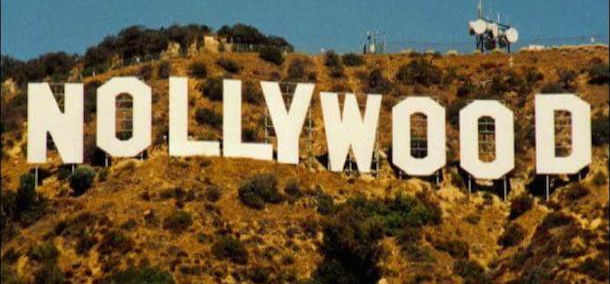
The same principle applies everywhere. Even Nollywood. Imagine a film receives only two daily screenings: one at 11 AM and another at 9:45 PM. Attendance is weak. The cinema responds by reducing screenings further. Attendance falls again. Eventually the film is removed. The data now suggests audiences rejected the movie. But did they?
Or were audiences simply not given enough opportunities to watch it?
This is where many filmmakers misread box office results. They assume poor attendance equals a lack of audience interest. Sometimes it does. But sometimes it reflects poor accessibility, weak scheduling, inadequate marketing support, or insufficient screen visibility. The distinction matters. A film cannot prove its value if audiences never get a fair chance to discover it.
The Real Business of Distribution Is Visibility
At its highest level, distribution is not the business of delivering films to cinemas. It is the business of securing visibility.
The world's biggest studios understand this better than anyone. When Disney releases a Marvel film, it is not simply negotiating screens. It is negotiating premium screens, IMAX access, evening slots, weekend dominance, promotional placements, lobby visibility, and extended theatrical commitments. The film's marketing campaign and distribution strategy are designed to work together.
Nollywood is gradually entering a similar phase. As production budgets increase and more films compete for the same audience, visibility will become even more important than it already is. Filmmakers will need to think beyond making great movies. They will need to understand audience behavior, cinema programming, release windows, and the economics of exhibition.
Because the uncomfortable truth is this: Many films that "failed" were never truly tested.
They entered cinemas with poor showtimes, limited visibility, weak screen support, and impossible commercial conditions. They were judged by numbers that were already working against them.
The future of film distribution belongs to filmmakers who understand that the battle is not won when a cinema says yes. The battle is won when audiences are given every opportunity to say yes too.


I totally agree with this submission but what should film makers do to solve this situation?