A Campus Story Nollywood Rarely Tells
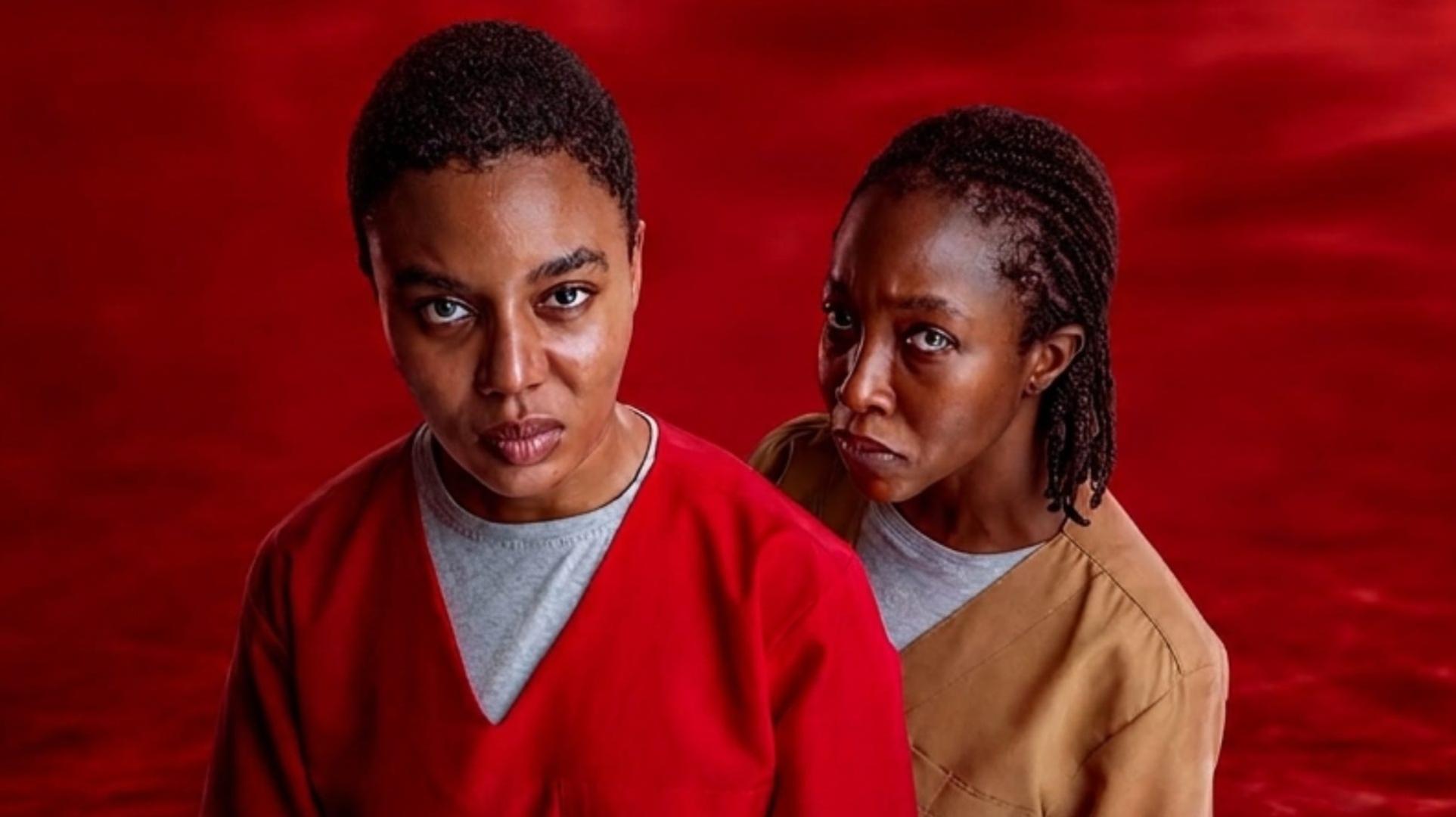
Nollywood has produced plenty of love stories, family dramas, and wedding comedies, but the university campus has been neglected for far too long. Tele x Zikora steps into that gap. Set at the fictional Lagos Metropolitan University, the film brings together Zikora, who returns from a polished but lonely life in Houston, and Tele, a brilliant but guarded engineering student. A demanding group project forces them into each other's orbit, and what starts as constant clashing slowly turns into something warmer. For a generation of viewers who actually lived through early lectures, group assignments, and campus gossip, this is familiar ground, and it is refreshing to see it treated with this much polish. Director Adenike Adebayo-Esho clearly understands the world she is building, and the film feels like it was made by someone who respects its audience.
Performances That Know the Mood
The performances land well. Nothing feels pushed or over-acted; the cast gives each scene exactly what it asks for, whether the moment calls for lightness, tension, or quiet vulnerability. Mike Afolarin and Genoveva Umeh carry the leads with an ease that makes the central pairing believable, and you can sense the chemistry growing from friction into affection. The supporting players match the temperature of the scenes they appear in, never stealing focus and never fading into the background either. In a film built on young people trying to figure out who they are, that restraint matters, because overplaying these moments would have turned honest feeling into melodrama. The actors serve the mood, and the mood serves the film, which is exactly how an ensemble should work.
A Film That Looks the Part
Visually, Tele x Zikora is one of its strongest assets. The cinematography is impressive, particularly in the scenes shot in Nigeria, where the camera captures the energy and texture of campus life without turning it into a postcard. Light, colour, and framing all feel intentional. More importantly, the picture holds one consistent mood from beginning to end, so the audience understands the world of the story almost before the characters explain it. That kind of visual consistency is harder to achieve than it looks, and it gives the film a sense of place that many productions never find. The editing works in the same spirit, keeping the rhythm in step with the emotion of each moment instead of fighting it, so scenes breathe when they should and move when they must. Together, image and cut give the film a confident, cohesive identity.
A Possible Niche for the Director
It is worth pausing on what this film could mean for Adebayo-Esho's career. The university-themed film is not something Nollywood has made a habit of, and she appears comfortable in the space. After Summer Rain, this is her second theatrical release, and it suggests a filmmaker who could own the campus genre the way others have owned the wedding film or the political thriller. The audience for these stories is young, loyal, and underserved, and the industry has left that door open for years. I hope she keeps going. A niche is a gift in this business, because it gives a director a recognisable voice and a reason for audiences to return. She has the visual instincts and the ear for young voices to build one, and if she sharpens her storytelling, this could become her signature.
Too Many Stories, Not Enough Room
The trouble begins in the writing. The film wants to include everyone: friends, family, identity, and the wider campus circle all demand screen time. Yet it can only fairly accommodate a few of these threads, and even those are only slightly developed. Several character arcs end without the resolution we were promised, leaving us curious about people we were asked to care about. The central story arc never fully earns its conclusion either, and the audience is left wanting a clearer justification for where things land. These weaknesses are not cosmetic. They affect the direction of the film and soften the emotional payoff that the strong performances, cinematography, and editing had been building toward. When a story reaches for so much and finishes with so little, even a well-made film can feel like it is holding back its best moments.
What Could Have Made It Better
The fix is a matter of discipline rather than ambition. Every supporting plot should have existed to serve the main love story, feeding it, complicating it, or pressuring it, so that nothing on screen felt like a detour. Any subplot that deserved real development could have been given its own space outside the main plot, perhaps in a separate project, instead of being squeezed into this one. That choice alone would have given the central relationship room to breathe and the resolutions room to land. The score also needed rethinking. It is pleasant to listen to, but it sounds more generic than it should, and a film this rooted in Lagos deserved music that felt more natural and more culturally Nigerian. Local rhythm and texture would have deepened the sense of place the visuals had already established. Tighten the story, localise the sound, and this would have been a far more complete film.