A Film Worth Looking At
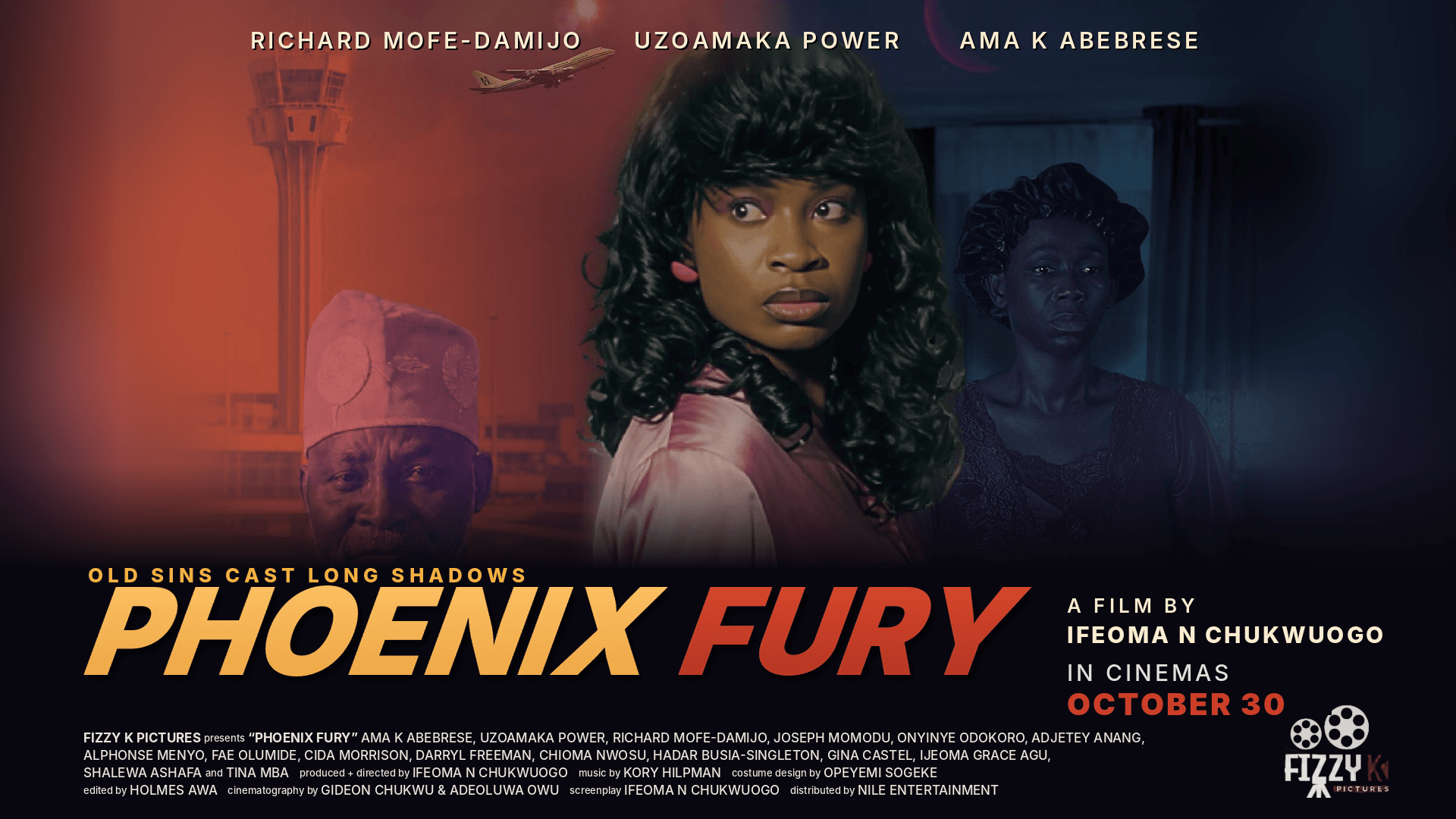
Phoenix Fury is a very beautiful film, and it wants you to notice. Ifeoma frames her story with care, and the look of the film is part of how it tells you who these people are, what they have lost, and what they are carrying. Beauty in cinema can be mere decoration, a pretty surface laid over a thin idea, but here it is doing real work. It sets the mood, grounds the world, and holds your attention long before the story asks anything of you. From the opening scenes, you can tell this is a filmmaker who trusts her images and understands that what we see can say as much as what we hear. That confidence carries through to the very end, and it makes the film a pleasure to sit with, even when it asks you to be patient.
Performances That Feel Lived
The cast is strong across the board, but Ama K. Abebrese is the one you will leave talking about. Her performance is nuanced and deeply lived-in, so much so that you may find yourself wondering whether she is acting at all or simply reliving something she has known. She never pushes for the big, obvious moment or begs for your sympathy. She lets silence, posture, and small gestures carry the weight, which is far harder to do and far rarer to see. Many performances announce their emotion, but hers lets you discover it. It is the kind of work that reminds you why casting matters, and why a film can rise or fall on one performer's willingness to be truthful rather than loud. Around her, the supporting cast gives her room to breathe, and the result is a film that feels human from start to finish.
A Story With a Spine
What I admired most, and I admit I didn't expect to, is how disciplined the screenplay is. We have all sat through movies that throw subplots at the wall like spaghetti and call it richness. Phoenix Fury does the opposite. Every side story gets one job, does it, gets out of the way, and each one nudges the main story forward. Nobody here is wandering around waiting for a plot to find them, and nothing is there just to pad the running time. The writing is layered, too, in the good sense, not the pretentious one. It takes you through the characters' arcs, their wounds and their wants, so that when they do the things they do, you know why. You don't have to like them. You just can't say you didn't understand them, and that is a rarer compliment than it sounds. Motivation is the thing so many scripts skip, and this one builds it brick by brick until every decision feels earned, even the ones that hurt to watch.
Sound, Setting and Style
The score is a pleasure, and a surprise: original, felt, and clearly written for this movie rather than rented for it. We're so used to soundtracks that feel like stock, the same swelling strings and the same borrowed sadness, that real intention comes as a shock. The music here doesn't wallow in the emotions or shove you toward them. It gives them somewhere to go. The setting works the same way, making you feel the period and the two worlds the story straddles, what each one holds and how each one changes, and what that change does to the people living through it. Those places aren't wallpaper. They push the plot along. Even the costumes show restraint. They aren't dressed up to impress us, just dressed to be true to the people and the time. And the Nigerian-Ghanaian partnership behind all of this has a real sense of two cultures actually talking to each other rather than posing for a group photo. It isn't flawless, but it is mostly authentic, and in a business where co-productions can feel like paperwork, that counts for a lot.
The Slow Burn and the Karma Question
Let me be fair to the people who'll squirm. This movie takes its time. It's a slow burn, and if you're the sort who checks your phone when the plot doesn't hit you in the face by minute ten, Phoenix Fury will test you. It needs time to sink in, and it won't hurry for anybody. There's also the matter of the extra thread that sets Yali's fate in motion. Some will call it a convenient plot device, the screenwriter's helping hand reaching in to tidy things up. I see it differently. It reads to me as karma, and karma doesn't need the wronged person to hold the knife. Ewura-Ama's deepest wish comes true without her fingerprints on it, which is both more unsettling and more satisfying than a neat act of revenge, because life rarely hands us justice on our own terms. Call it a risk, if you like. I call it nerve. This is a very good watch, even if cinema may not be its natural home, and it's one you'll be glad you saw this year.