A Brave Leap into Uncharted Territory
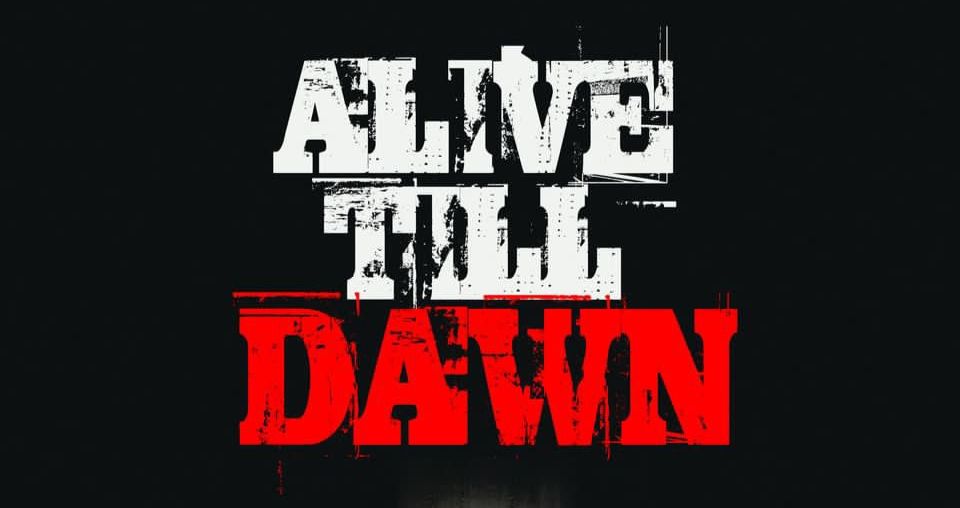
As a commentator, I must first commend the audacity behind Alive Till Dawn. Attempting Nigeria’s first theatrical zombie film is no small feat, especially within an industry that largely thrives on romance, comedy, drama, and traditional thrillers. The decision alone signals ambition, a willingness to stretch Nollywood’s creative boundaries and challenge audience expectations. In a market where safe formulas dominate box office conversations, this film’s very existence feels like a statement: Nollywood is ready to experiment, to risk failure, and to imagine beyond its comfort zones. That courage deserves recognition, even before we begin to critique the execution.
When the Apocalypse Becomes a Backdrop
Rather than fully leaning into its apocalyptic zombie premise, Alive Till Dawn prioritizes the personal survival story of the daughter of a high-ranking police officer, played by Shine Rosman. Her emotional journey, fear, resilience, desperation, and determination, drives the narrative forward, often overshadowing the larger collapse of society unfolding around her. While this character-focused approach makes the story more intimate and emotionally grounded, it also diminishes the scale and terror that a zombie apocalypse typically demands. As a result, the world-ending stakes begin to feel like background noise, raising the question of whether the film truly wants to explore the horror of extinction, or simply use it as a dramatic setting for personal survival.
Horror or Thriller? A Genre Identity Crisis
Was it horrific? I doubt it. Was it impressive? I think so. The film lives in a curious in-between space, too restrained to fully qualify as horror, yet too intense to exist solely as a conventional thriller. This safe middle ground ensures accessibility for mainstream audiences, but it also robs the story of its emotional and psychological extremes. The tension rarely erupts into true terror, leaving viewers intrigued rather than unsettled. As a critic, this cautious approach feels like a missed opportunity, especially considering the rich psychological fear that zombie narratives can deliver when fully embraced.
Performances That Carry the Weight In Alive Till Dawn
Michael Dappa, Uzor Arukwe, and Shine Rosman deliver grounded and convincing performances that anchor the film emotionally. Shine Rosman, in particular, effectively communicates vulnerability and resolve, making her struggle feel authentic. Michael brings depth and familiarity, adding emotional stability to the narrative, while Uzor injects tension and urgency. The acting becomes the film’s emotional backbone, compensating for areas where the story and world-building fall short. Their performances ensure that, even when the plot feels restrained, the human experience at the center remains compelling.
Safe Direction, Controlled Ambition
Spotlyt’s direction is notably careful, perhaps intentionally so. The film avoids overcomplicating its visuals, opting instead for clarity and simplicity. This restraint prevents confusion and narrative overload, particularly important for a genre still unfamiliar to many Nigerian audiences. However, this same safety net limits the film’s immersive potential. The direction never quite pushes into daring visual territory, choosing coherence over spectacle. Interestingly, the subtle cameo of both the producer and director at the film’s conclusion adds a surprisingly satisfying touch, a moment of quiet celebration that feels earned, signaling pride in a bold creative step.
Is Nollywood Ready for Zombies?
The larger question remains, Is Nollywood ready for zombie cinema? Perhaps not fully, but that doesn’t mean it shouldn’t try. Alive Till Dawn represents an important evolutionary step, not a finished destination. Its limitations highlight the learning curve involved in tackling large-scale genre storytelling within local constraints. Yet, its ambition opens doors for more refined, bolder, and scarier attempts in the future. As a critic, I see this film not as a definitive zombie story, but as a foundation, proof that Nigerian cinema can explore new genres, take creative risks, and gradually build a language of horror uniquely its own.