A Fairytale Still Needs Logic: The Beauty and Frustration of Call of My Life
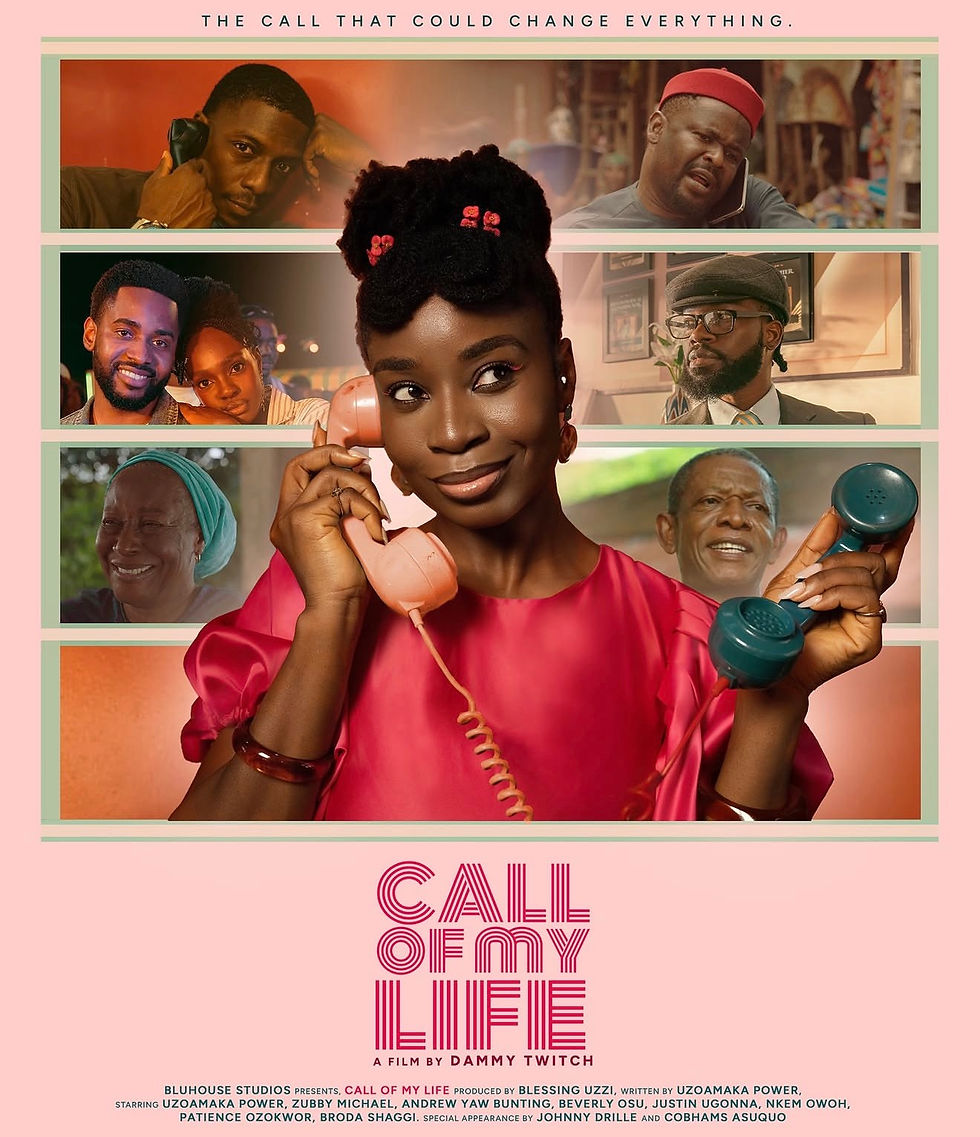
Dammy Twitch’s Call of My Life is one of the most interesting Nollywood romcoms in recent years because it understands something many Nigerian romantic films don’t, younger audiences are craving emotional softness, intentional love, longing, vulnerability and fantasy.
The film knows its audience. And for a while, it works beautifully. But here’s the thing about fairytale storytelling, you can bend reality, but you cannot abandon internal logic. Fantasy does not excuse weak development, underwritten character arcs, or convenient storytelling.
The chemistry between Uzoamaka Power and Andrew Bunting carries this film harder than the screenplay does. The cinematography is gorgeous. The atmosphere works.
A detailed breakdown of why Call of My Life works emotionally but struggles narratively.
A Romcom Built For The New Nigerian Soft-Life Generation
Call of My Life understands a very specific generation emotionally.
This is not the traditional loud Nollywood romantic comedy built around exaggerated family chaos, comic relief uncles, or overdramatic relationship warfare. The film instead leans into emotional softness, vulnerability, longing, healing, and idealized romance.
It understands the current digital generation raised on TikTok edits, emotionally available men, aesthetic loneliness, “soft love” conversations, and fantasy-driven intimacy. The film knows exactly who it is speaking to.
And honestly, that awareness is one of its biggest strengths.
A younger audience will likely find this film soothing and emotionally comforting because it mirrors the romantic fantasy many of them consume online daily. Older audiences may struggle more with the idealism and heightened emotional atmosphere, even though the film attempts to bridge both generations through older supporting characters.
But despite its flaws, the film deserves credit for trying to evolve Nollywood’s romcom language beyond the usual formulas.
Uzoamaka Power and Andrew Bunting Carry This Film On Their Backs
The chemistry between Sol and Eli is the best thing that happened to this movie. Without that chemistry, many of the screenplay’s weaker moments would completely collapse emotionally.
Uzoamaka Power plays Sol with emotional sincerity. There’s something very natural about her vulnerability. You understand her loneliness. You understand her emotional exhaustion. You understand why she desperately clings to the possibility of connection.
Then there’s Andrew Bunting as Eli. The problem is not that Eli is unrealistic romantically. Romantic leads are allowed to feel aspirational. The issue is that Eli barely receives enough character development outside his function as Sol’s emotional reward.
Who exactly is Eli beyond being emotionally attentive Where does he really come from daily? What exactly is his life structure?
The film establishes him at a train station early on, creating the impression that transportation and distance may matter to his arc. Then later, he mentions arriving Nigeria from Ghana. Then later again, he uses the airport to travel back to Ghana to visit his mother. So the immediate question becomes: Was Eli supposedly commuting from Ghana daily? What exactly was the train station setup trying to establish?
The film never clarifies this enough. And that becomes a larger problem with Eli’s writing generally, he exists more as a romantic fantasy than a fully developed human being.
Sol receives emotional architecture. Eli mostly receives vibes.
Dammy Twitch Understands Visual Atmosphere Better Than Most Nollywood Directors
Visually, this film is beautiful. The cinematography and production design are among the strongest aspects of the entire film. Every frame feels emotionally intentional. The lighting is soft. The spaces feel warm. The visual language understands tenderness.
One thing Dammy Twitch deserves serious praise for is restraint. The film doesn’t constantly scream luxury at the audience the way many Nollywood films do. It understands aesthetic atmosphere beyond simply showing expensive cars and Lekki apartments.
The environments feel curated emotionally rather than just financially.And that matters.
The camera movement, framing, and pacing all contribute to the dreamy fairytale atmosphere the film is trying to create.
This is a director who clearly understands mood.
The Film Confuses Fairytale Logic With Narrative Convenience
This is where the writing begins to struggle badly. A fairytale romcom is allowed to stretch realism. It is allowed to exaggerate coincidence. It is allowed to simplify reality for emotional effect.
But it still needs internal consistency. Call of My Life occasionally abandons believable cause-and-effect simply because the screenplay wants to arrive at emotional moments faster. That becomes dangerous.
For example:
Did the supervisor actually do anything morally wrong by firing workers for unprofessional behavior? Harshness alone does not automatically make someone evil.
If an employee with hearing difficulties is struggling within a call-center environment, the story needs to clearly establish whether the issue is discrimination, lack of accommodation, or inability to perform required tasks.
Instead, the film frames the supervisor almost like a villain deserving punishment without fully justifying why.
Then Sol, who was literally fired for oversharing personal issues with customers, somehow returns and gets promoted to supervisor.
Why? What growth occurred professionally? What changed institutionally? What exactly did she suddenly do to deserve leadership? The film never properly earns that transition.
And that’s the issue:
The screenplay keeps asking the audience to emotionally accept developments it did not structurally build.
Too Many Convenient Plot Devices Begin To Damage The World-Building
Convenience is normal in romance films. But when too many conveniences begin piling up without believable transitions, the world starts losing credibility. One of the biggest examples is the airport sequence. How exactly did Sol get through airport security and all the way to the boarding gates without traveling?
Anyone familiar with airport systems immediately pauses there because those areas require multiple checks and boarding access.
Now yes, romance films bend reality for emotional payoff all the time. But successful fairytale films establish emotional logic strongly enough that audiences willingly suspend disbelief.
Call of My Life keeps switching between realism and fantasy inconsistently, so instead of emotional immersion, viewers begin asking logistical questions.
Then there’s the issue of information convenience.
How did the supervisor immediately know Sol’s emotional oversharing happened because of heartbreak from her boyfriend?
How are certain emotional conclusions reached so quickly without believable narrative setup?
The screenplay repeatedly jumps emotional bridges without constructing them first. And unfortunately, i noticed.
Final Thoughts, A Film With Heart That Needed Stronger Writing Discipline
Call of My Life is not a terrible film.
In fact, there is something genuinely admirable about how earnestly it believes in romance, vulnerability, softness, and emotional optimism. Nollywood desperately needs more films willing to embrace emotional sincerity without irony.
The film has warmth. It has chemistry. It has visual beauty. It has emotional ambition. And it understands a younger generation deeply.
But good intentions are not the same thing as good writing. A fairytale tone does not excuse: weak cause-and-effect, underdeveloped character arcs, institutional inconsistencies, or narrative shortcuts.
Because audiences can believe impossible romance.
What they struggle to believe is inconsistency inside the world the film itself created.
And that’s the frustrating thing about Call of My Life: the potential is clearly there. The chemistry works. The visual direction works. The emotional atmosphere works. The screenplay simply needed to trust narrative structure as much as it trusted emotion.


Comments